Get a Quote
Overflow Warehousing and Distribution

Reverse Logistics
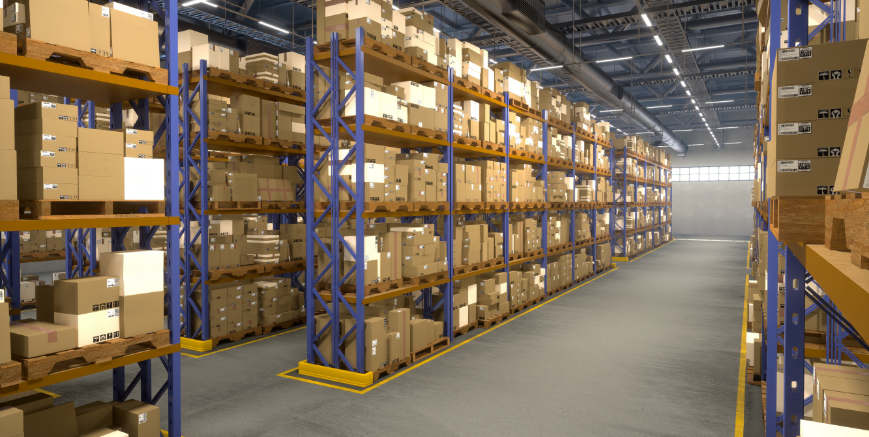
Handling and Storage

Leave the return process to us

Secure Warehouse Solutions

Total warehouse security to give you peace-of-mind that your products are safe and secure.

Flexible Trusted Storage

Everyone stores their products differently, so at Overflow we personalise our storage based on each customer's needs. We offer flexible small or bulk storage as well as long or short term options. At Overflow our goal is to provide tailored storage you can trust.

Complete Unpacking Services

Whether you need a hand unpack or forklift unpack here at overflow we can handle all your needs.

Industries served
  • Consumer goods
  • Food & Beverage
  • Electronics
Services offered
  • Shared warehousing
  • Crossdocking/Transloading
  • FBA Preaparation

Want a quote for Reverse Logistics options?

FAQ
FAQ

Frequently Asked Questions

We offer return space for as little as 1 pallet.

Absolutely! Here at Overflow we provide reverse logistics for all business big or small.

ASAP! We can start storing your overflow today, let’s have a chat so we can tailor to your storage needs.

We are located in Acacia Ridge approx. 20 minutes south from Brisbane CBD and just 40 minutes south from the Port of Brisbane.

Reverse Logistics Explained

At Overflow Warehouse and Storage Solutions, we work with businesses every day that are not just focused on getting products out the door—but also on managing what comes back. That’s where reverse logistics becomes a critical part of a well-run operation. In simple terms, reverse logistics refers to the movement of goods from the customer back to the business. This includes returns, repairs, recycling, refurbishing, and even disposal.

While traditional logistics focuses on distribution and delivery, reverse logistics is about control, recovery, and efficiency after the sale. For many businesses—particularly in eCommerce, retail, and manufacturing—this process is no longer optional. It is a necessary component of customer service, inventory management, and long-term profitability.

We see reverse logistics not as a burden, but as an opportunity. When handled correctly, it allows businesses to recover value, improve customer satisfaction, and streamline their overall supply chain.

What Reverse Logistics Involves

Reverse logistics is more than just accepting returned goods. It’s a structured process that ensures returned items are handled efficiently and cost-effectively. At Overflow Warehouse, we manage a wide range of reverse logistics activities on behalf of our clients.

These typically include:

  • Receiving returned goods from customers or retailers
  • Inspecting and assessing product condition
  • Sorting items for resale, repair, refurbishment, or disposal
  • Repackaging and restocking saleable inventory
  • Managing warranty returns and exchanges
  • Coordinating recycling or environmentally responsible disposal

Each step needs to be handled carefully. Without a proper system, returns can quickly become disorganised, leading to lost stock, increased costs, and frustrated customers.

Why Reverse Logistics Matters More Than Ever

In today’s business environment, particularly with the rise of online shopping, return rates have increased significantly. Customers expect flexible return policies, fast refunds, and hassle-free processes. If a business cannot deliver this, it risks losing repeat customers.

From our perspective, reverse logistics is no longer just an operational function—it’s a competitive advantage.

When we manage reverse logistics for our clients, we help them maintain control over their inventory, even after it has left the warehouse. This ensures they can continue to operate efficiently without being overwhelmed by returned goods.

Improving Customer Experience

One of the biggest benefits of reverse logistics is its impact on customer satisfaction. A smooth and reliable returns process builds trust with customers. It reassures them that if something goes wrong, the business will handle it professionally.

We help businesses create structured and predictable return processes. This means:

  • Faster processing of returns
  • Clear tracking of returned items
  • Efficient handling of refunds and exchanges

When customers know they can return products easily, they are more likely to purchase in the first place. In this way, reverse logistics directly supports sales growth.

Recovering Value from Returned Goods

Not every returned item is a loss. In fact, a well-managed reverse logistics system allows businesses to recover significant value from returned products.

At Overflow Warehouse, we assess returned items and categorise them based on their condition. Many products can be:

  • Restocked and resold
  • Refurbished and sold at a reduced price
  • Used for parts or components
  • Redirected to alternative sales channels

This reduces waste and ensures that businesses maximise their return on investment. Without a proper reverse logistics process, many of these items would simply be written off.

Reducing Operational Costs

Handling returns internally can be time-consuming and expensive. It requires space, staff, and systems that many businesses simply don’t have—especially when they are growing quickly.

By outsourcing reverse logistics to us, businesses can reduce:

  • Labour costs associated with handling returns
  • Storage costs for unsorted or excess stock
  • Administrative time spent tracking returned items

We provide the infrastructure, processes, and expertise needed to manage returns efficiently. This allows businesses to focus on their core operations, such as sales and growth.

Supporting Inventory Accuracy

One of the hidden challenges of reverse logistics is maintaining accurate inventory records. Returned goods can easily disrupt stock levels if they are not processed correctly.

We ensure that every returned item is logged, assessed, and either re-entered into inventory or removed from stock. This level of control helps businesses maintain accurate stock counts, which is essential for:

  • Order fulfilment
  • Forecasting demand
  • Managing reorders

Accurate inventory leads to better decision-making and fewer costly mistakes.

Enhancing Sustainability and Environmental Responsibility

Sustainability is becoming increasingly important for businesses and their customers. Reverse logistics plays a key role in reducing environmental impact.

Rather than sending returned goods to landfill, we help businesses implement more sustainable practices, including:

  • Recycling materials where possible
  • Refurbishing products for reuse
  • Minimising waste through better handling processes

This not only benefits the environment but also strengthens a business’s brand reputation. Customers are more likely to support companies that demonstrate responsible practices.

Managing Seasonal and High-Volume Returns

Certain periods—such as post-Christmas or promotional events—can result in a surge of returns. Without the right systems in place, this can overwhelm a business.

We provide scalable solutions that allow businesses to handle high volumes of returns without disruption. Whether it’s a short-term spike or ongoing demand, we ensure that returns are processed quickly and efficiently.

This flexibility is particularly valuable for eCommerce businesses, where return volumes can fluctuate significantly throughout the year.

Integration with Warehousing and Distribution

One of the key advantages of working with Overflow Warehouse is that reverse logistics is fully integrated with our warehousing and distribution services.

This means returned goods can be:

  • Received and processed in the same facility
  • Quickly reallocated to available stock
  • Prepared for redistribution without unnecessary delays

By combining forward and reverse logistics in one location, we reduce handling times and improve overall efficiency.

Allowing Businesses to Scale with Confidence

As businesses grow, so do their logistics challenges. Returns can quickly become a bottleneck if they are not managed properly.

We provide the systems and support needed to handle increasing volumes of returns without compromising efficiency. This allows businesses to scale confidently, knowing that their reverse logistics processes are under control.

Instead of being reactive, businesses can take a proactive approach to managing returns and improving their operations.

Why Businesses Choose Us for Reverse Logistics

From our perspective at Overflow Warehouse and Storage Solutions, reverse logistics is about more than just handling returns—it’s about adding value at every stage of the process.

We work closely with our clients to understand their products, their customers, and their operational challenges. This allows us to create tailored solutions that deliver real results.

Our approach is practical, efficient, and focused on outcomes. We help businesses:

  • Stay organised and in control of their returns
  • Reduce costs and recover value
  • Improve customer satisfaction
  • Operate more sustainably

By taking the complexity out of reverse logistics, we allow businesses to focus on what they do best.

Call us for more information


Frequently Asked Questions

What is reverse logistics in simple terms?

Reverse logistics is the process of managing goods that move from the customer back to the business. This includes returns, repairs, recycling, and disposal.

Why is reverse logistics important for eCommerce businesses?

eCommerce businesses often have higher return rates due to online purchasing. Reverse logistics ensures these returns are handled efficiently, maintaining customer satisfaction and protecting profit margins.

Can returned goods be resold?

Yes, many returned goods can be inspected, repackaged, and resold. Others may be refurbished or sold through alternative channels to recover value.

Does outsourcing reverse logistics save money?

In most cases, yes. Outsourcing reduces the need for internal resources such as staff, storage space, and systems, while improving efficiency and accuracy.

How does reverse logistics improve customer experience?

A smooth returns process builds trust with customers. Fast processing, clear communication, and reliable handling of refunds or exchanges all contribute to a positive experience.

Is reverse logistics environmentally friendly?

It can be. By recycling, refurbishing, and reducing waste, reverse logistics helps businesses minimise their environmental impact.

Can reverse logistics handle large volumes of returns?

Yes. With the right systems and infrastructure, reverse logistics providers can scale to handle both small and large volumes, including seasonal spikes.